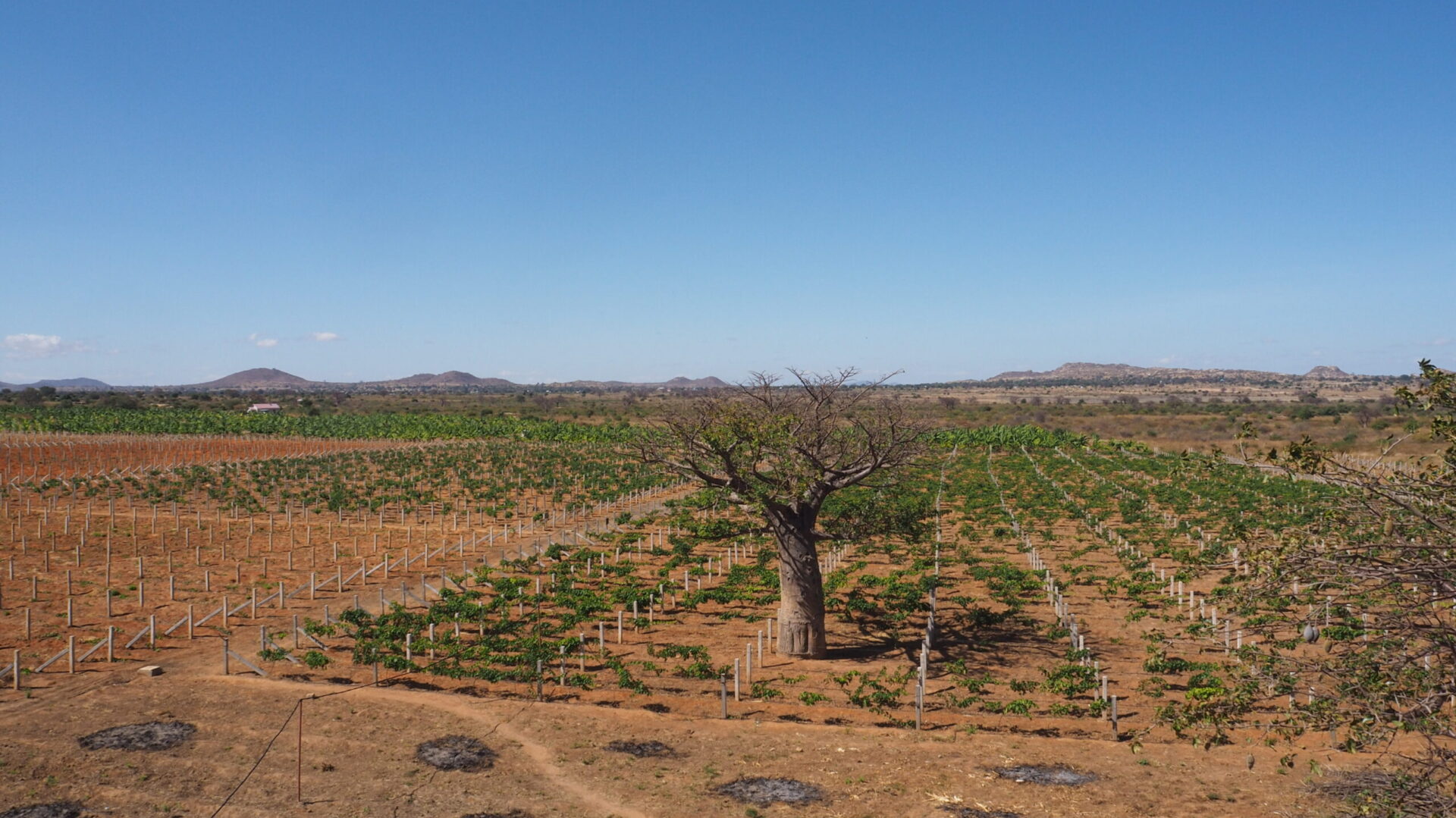
EVA is a project that unites our global expertise to provide winemaking consultancy services, turning your vision into reality anywhere in the world. Our projects reflect the full range of what we do: from long term, on site collaborations with wineries abroad to smaller scale experimental work exploring new winemaking approaches. Each project draws on the same core team and shared philosophy, hands on involvement, technical rigor, and close attention to the specific conditions of each site, adapted to very different scales, contexts, and objectives.
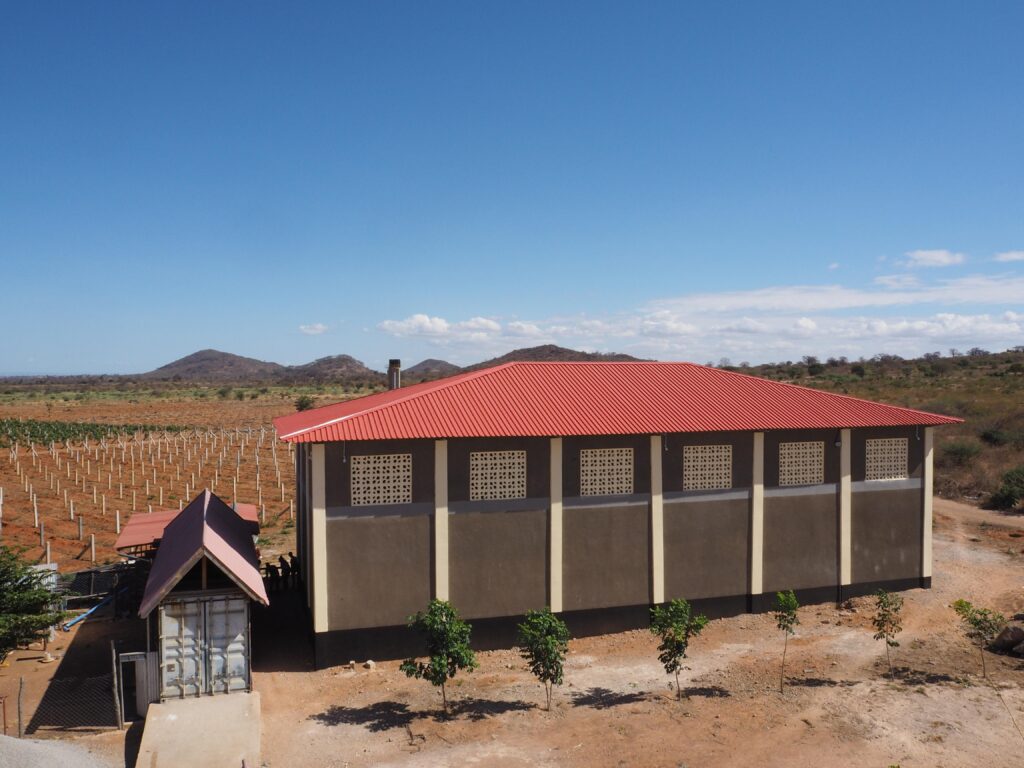
Edgar Maranta Vintages

Date: 2024-ongoing

Location: Tanzania
We are currently working with EMV, an emerging winery with self owned vineyards in the Dodoma region of Tanzania. We spend several months each year on site, supporting the project’s development across all key phases: vineyard establishment, nursery development, variety import, winery design, equipment selection and installation, winemaking, bottling, and staff training. This continuous, on site presence allows us to respond directly to the practical challenges of building a winery in an emerging wine region, from selecting varieties suited to the local climate to training staff in day to day cellar operations.
EMV is a hands on collaboration in which we are directly involved in day to day operations, gaining experience while delivering practical, on the ground consultancy. The project has shaped much of EVA’s approach to consulting, reinforcing our conviction that lasting results come from sustained presence and direct involvement, rather than remote or one off advice.
Maso Levalli
Period: 2020-2021
Location: Italy
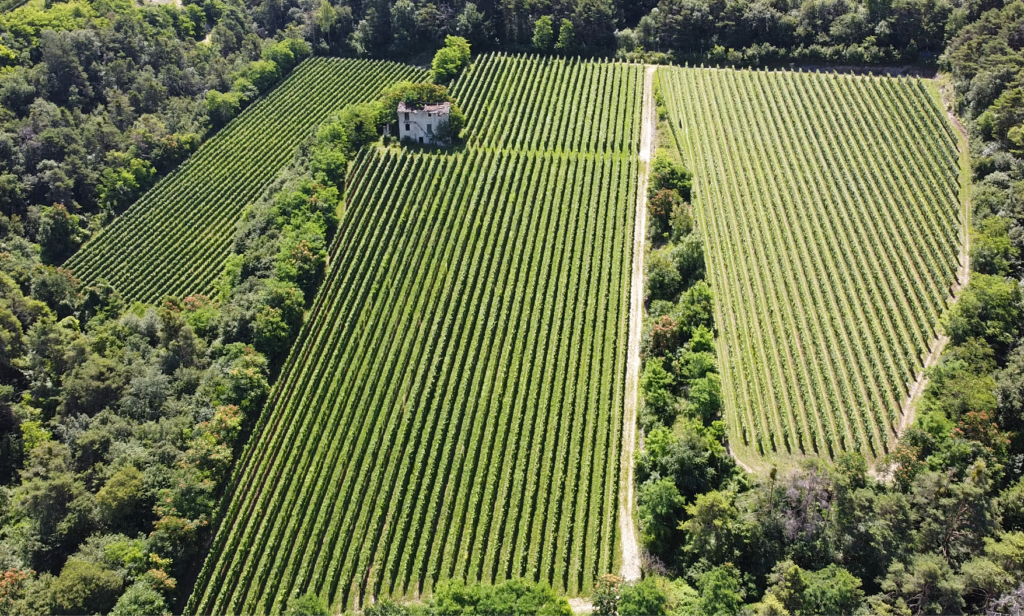
In 2020, we developed a project for the restoration and redevelopment of a rural property in Trentino, on the slopes of Monte Vigolana near Trento. The plan integrates agricultural production with commercial activities, with a focus on transitioning to organic viticulture. This includes practices to improve soil fertility, such as green manure, and careful pest management. The vineyard design combines resistant (PIWI) grape varieties like Souvignier Gris with traditional local varieties, optimizing rootstocks and planting density based on site conditions.
From a business perspective, the project evaluates two main scenarios: producing private label wines through contract winemaking, with an estimated output of around 26,400 bottles per year, or supplying organic grapes to local cooperative wineries. Supporting activities include a small on site microvinification facility for experimental production and the promotion of lesser known varieties, as well as a beekeeping operation to enhance biodiversity.
The project also involves the sustainable restoration of existing buildings using natural materials and renewable energy. These spaces will be repurposed to host a farmstay (up to 18 guests), a winery and workshop, a tasting room, and a wine bar with direct sales. With an estimated investment of approximately €1.24 million, the initiative aims to create a diversified, economically sustainable rural enterprise while preserving the site’s heritage.
Cantina La Tana
Period: 2021-ongoing
Location: Italy
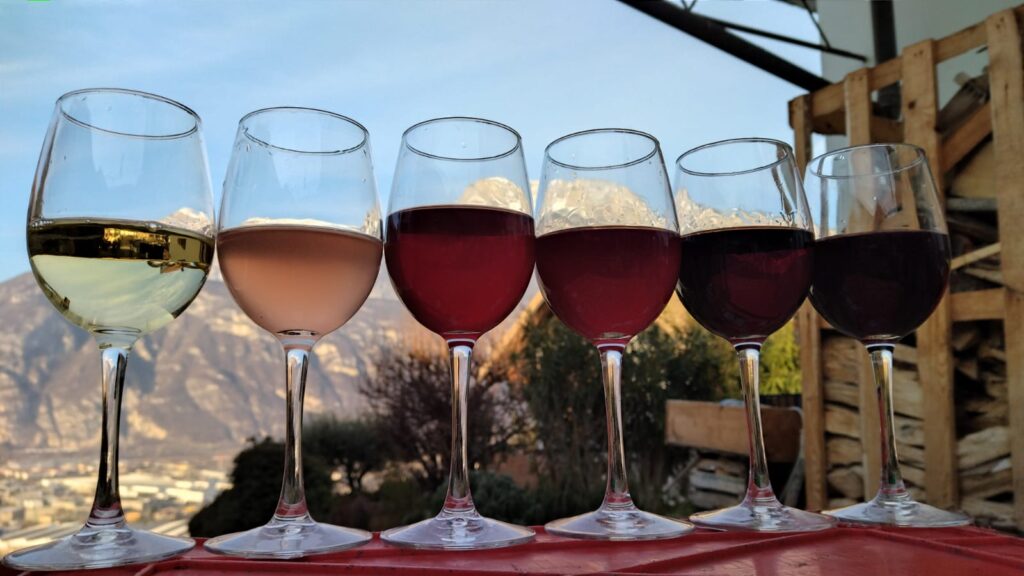
La Tana is an experimental winemaking project run by our winemaker, Filippo Rigotti. Since 2018, he has been developing a small winery working with resistant PIWI grapes alongside rare and ancient varieties, exploring approaches that go beyond conventional winemaking. His work centers on experimentation: testing different chemical and microbiological fermentation strategies, working with heterofermentation processes, and finding new value in byproducts that would otherwise go to waste.
Over the years, the project has grown into a community based effort, built on the exchange of knowledge and skills with other small scale producers in the area, including the shared use of equipment. For Filippo and for EVA, Cantina La Tana serves as a space for experimentation outside the constraints of client work, testing techniques and ideas that, over time, feed back into the winemaking expertise we bring to every project.
latana@autoproduzioni.net